Steve's Kitchen / Performance / Omega-3

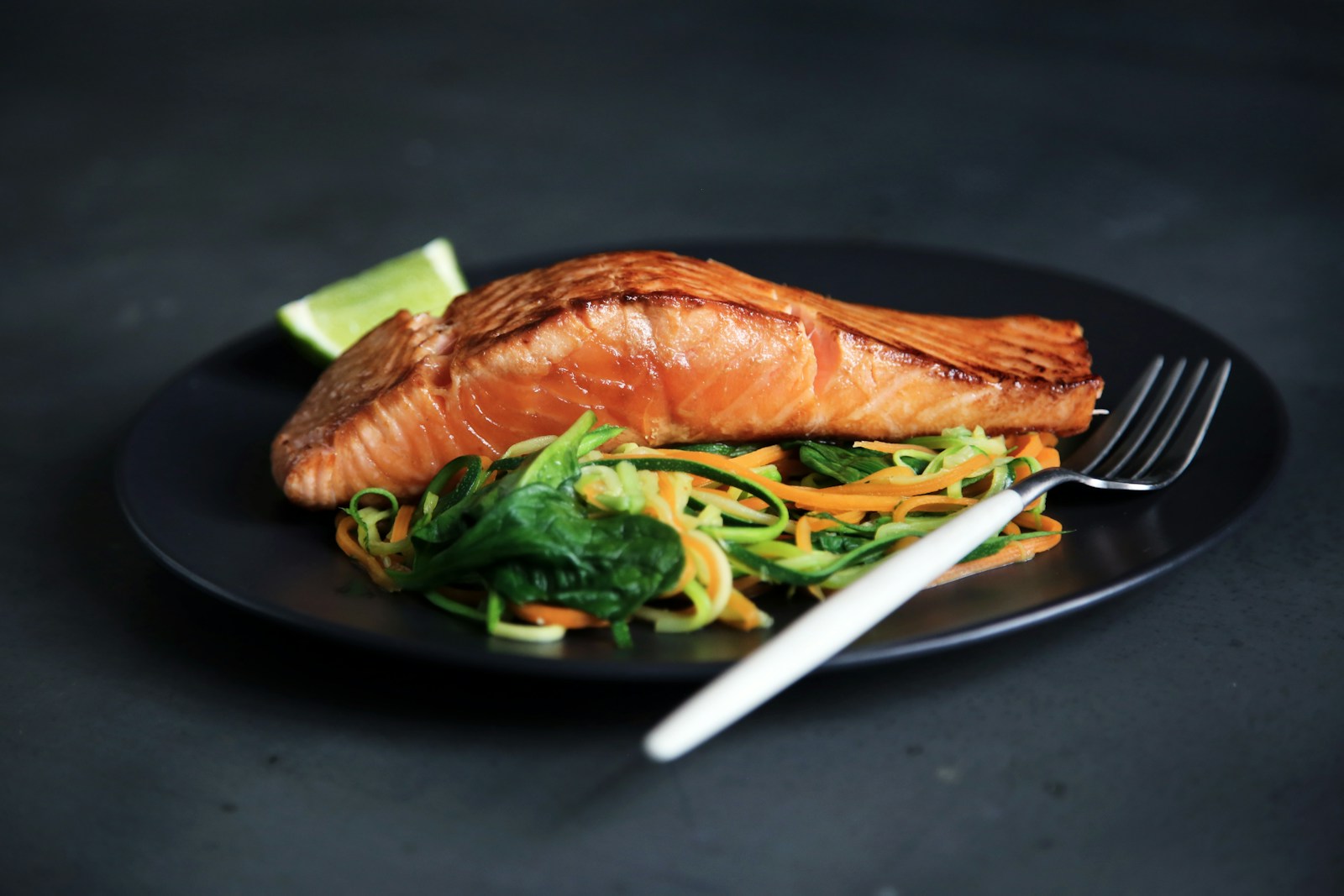
Salmon with Asparagus

Omega-3 Powerhouse, One Pan

"Brain food. Muscle food. The complete package."

42g Protein per fillet | 380 calories | 5g carbs
20 Minutes
4 Servings
Easy Difficulty
Begin the Journey

The Origin

The king of performance fish.

Pacific Northwest
Alaska

Wild-Caught vs Farmed

Wild salmon from Alaska and the Pacific Northwest has the best omega-3 to omega-6 ratio. Farmed salmon works too — higher fat content but still excellent protein source.

Best Species Sockeye, King
Omega-3s 1.5-2g per serving
Protein Quality Complete Profile
Fresh salmon fillet

Why Salmon is Non-Negotiable

Salmon is the only protein that simultaneously delivers high-quality complete protein AND omega-3 fatty acids. No supplement can replicate what whole salmon provides.

Omega-3s (EPA and DHA) support brain function, reduce inflammation, improve cardiovascular health, and may enhance muscle protein synthesis. Every serious athlete should be eating fatty fish 2-3 times per week.

This sheet-pan method delivers restaurant-quality results with minimal effort. Asparagus roasts alongside, creating a complete one-pan meal in 20 minutes.

"If chicken is the workhorse, salmon is the thoroughbred."

Did You Know?

The pink color in salmon comes from astaxanthin, a powerful antioxidant. Wild salmon get it from eating krill; farmed salmon are often fed synthetic astaxanthin. Either way, it's one of the strongest antioxidants known.

The Craft

Perfect salmon every time.

*

Room Temperature

Cold fish on a hot pan = uneven cooking. Let salmon sit out 15 minutes before cooking. This ensures the center cooks at the same rate as the edges.

*

High Heat, Fast Cook

425F for 12-15 minutes. High heat creates crispy edges while keeping the interior moist. Salmon continues cooking after removal — pull it slightly early.

*

The Lemon Finish

Fresh lemon after cooking, not before. Heat can make lemon bitter. A squeeze at the end brightens the whole dish.

Gym Bro Tip

Omega-3 strategy.

Weekly Fish Protocol

Eat salmon 2-3x per week for optimal omega-3 intake. This equals roughly 3-4g EPA/DHA weekly — what research shows reduces inflammation and supports recovery.

Macro Breakdown

The numbers that matter.

Per Serving (6oz salmon + asparagus)

380 Calories
42g Protein
20g Fat
5g Carbs

Wild Sockeye (leaner)

320 Calories
44g Protein
14g Fat
5g Carbs

With Compound Butter

480 Calories
42g Protein
32g Fat
5g Carbs

The Ingredients

Simple elegance.

The Salmon

The Omega-3 Source
  • 4 fillets (6oz each) Salmon (wild or farmed) Skin-on preferred for crispy bottom
  • 2 tbsp Olive oil
  • 1 tsp Garlic powder
  • 1 tsp Paprika
  • 1/2 tsp Black pepper
  • To taste Salt

The Asparagus

  • 2 bunches Asparagus, trimmed Snap off woody ends
  • 1 tbsp Olive oil
  • To taste Salt and pepper

The Finish

  • 1 Lemon, cut into wedges
  • 2 tbsp Fresh dill or parsley
  • Optional Capers

The Method

One pan. Twenty minutes. Perfect salmon.

01

Prep

Set yourself up for success.

1

Remove salmon from refrigerator 15 minutes before cooking. Pat dry with paper towels.

Why This Matters

Room temperature fish cooks more evenly. Surface moisture creates steam instead of sear — dry surface = better crust.

2

Preheat oven to 425F. Line a sheet pan with parchment paper or foil.

3

Mix garlic powder, paprika, salt, and pepper in small bowl.

02

Season and Arrange

Building the sheet pan.

4

Toss asparagus with 1 tbsp olive oil, salt, and pepper. Spread in single layer on sheet pan.

5

Brush salmon fillets with remaining olive oil. Season generously with spice mixture on top (flesh side).

6

Place salmon fillets skin-side down on the sheet pan, nestled among the asparagus.

Arrangement Tip

Don't crowd. Space fillets 2 inches apart for even heat circulation. Asparagus can touch but shouldn't pile.

03

Roast

Let the oven do the work.

7

Roast at 425F for 12-15 minutes until salmon flakes easily with a fork.

Critical Moment

Internal temp of 125-130F for medium. 140F for well done. Salmon continues cooking after removal — pull early if you want medium-rare center.

04

Finish and Serve

The final touches.

8

Remove from oven. Squeeze fresh lemon over salmon and asparagus. Garnish with fresh dill or parsley.

Quality Check

The salmon should be opaque on the outside with a slightly translucent center if you like it medium. Asparagus should be tender-crisp with slightly charred tips.

9

Serve immediately. Add capers if desired for a briny punch.

Variations

Same technique, different flavor profiles.

Honey Garlic Glaze

Mix 2 tbsp honey + 1 tbsp soy sauce + minced garlic. Brush on salmon before roasting. Caramelizes beautifully. Add 3g carbs per serving.

Mediterranean Style

Top with olive tapenade after roasting. Add cherry tomatoes to the sheet pan. Finish with feta crumbles.

Asian Inspired

Replace spice rub with sesame oil, ginger, and soy sauce. Top with sesame seeds and green onions. Serve with cauliflower rice.

Meal Prep Protocol

Omega-3s ready all week.

Batch Cooking

Cook 4-6 fillets at once. Use two sheet pans if needed. Same timing, double the output.

Storage

Refrigerator: 3-4 days maximum. Salmon degrades faster than chicken. Plan accordingly.

Reheating

Microwave carefully — 30 seconds at a time. Or eat cold over salad (actually delicious). Avoid over-reheating.

Freezing

Cooked salmon freezes for 2 months but texture suffers. Better to freeze raw and cook fresh.

Terminology

Know your salmon.

EPA and DHA

The two main omega-3 fatty acids in fish; essential for brain, heart, and joint health

Wild vs Farmed

Wild has better omega ratio; farmed has more total fat. Both are excellent protein sources

Carryover Cooking

Temperature continues rising 5-10F after removal from heat; pull early for perfect doneness